Moonflower (Ipomoea alba): How to Grow This Night-Blooming Vine
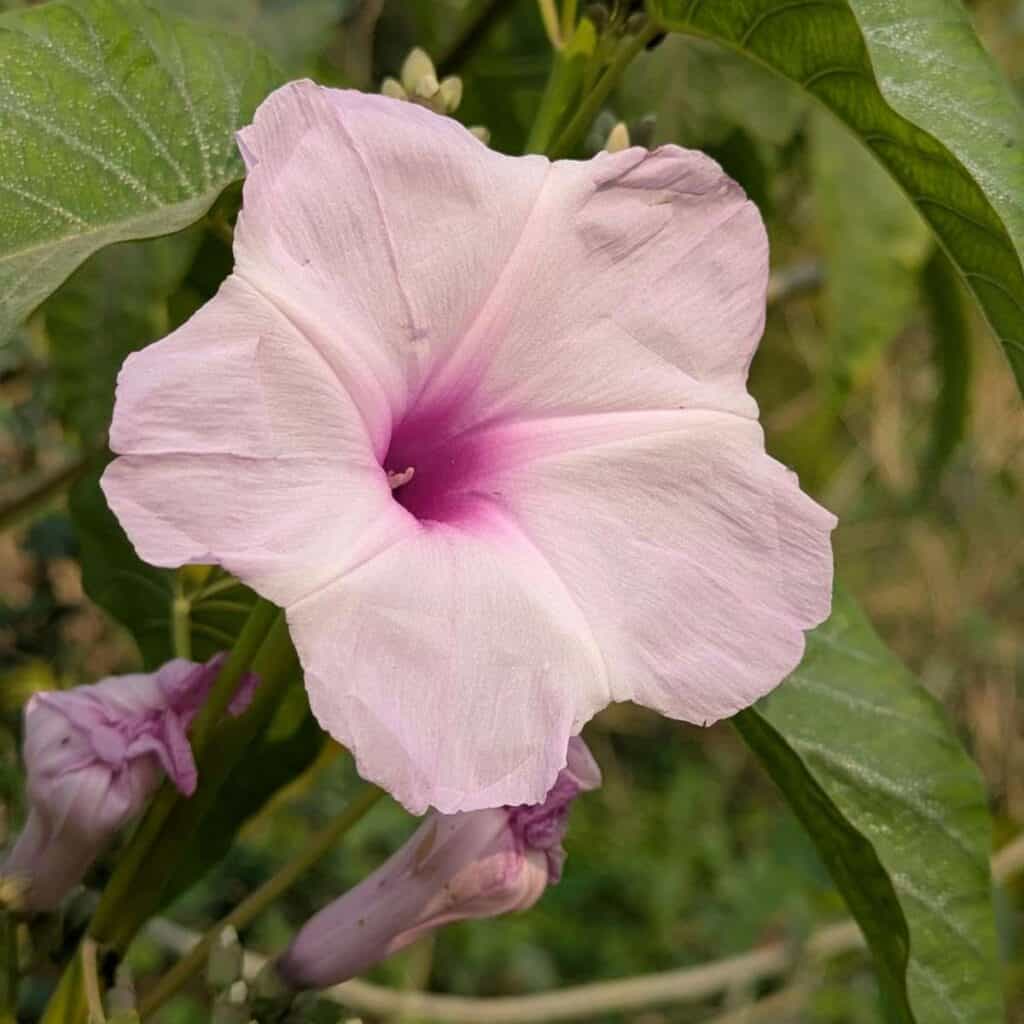
Moonflower is a fast-growing, direct-sown annual vine prized for its large, white, trumpet-shaped blooms that open at dusk and perfume the nighttime air. If you enjoy spending time outdoors at night, moonflower is an excellent addition to fences, arbors, and trellises where its dramatic blooms can be fully appreciated.
How to Sow Moonflower Seeds
Direct Sowing in the Garden
Moonflower seeds have a very hard outer coat that can slow germination. Taking a few extra steps before planting will greatly improve success.
- Prepare the seeds
Lightly nick the seed coat with a nail file or sharp knife, then soak seeds in water overnight to soften the coating and speed sprouting. - Timing and location
Sow seeds directly in the garden about two weeks after the last frost, once the soil has warmed. Choose a site in full sun with room for vigorous growth. Moonflower vines climb aggressively, so plant them near a sturdy support such as a trellis, fence, or arbor. - Soil preparation
Remove weeds and loosen the top 6–8 inches of soil, incorporating a small amount of organic matter if needed. Moonflowers actually perform best in average to slightly poor soil—overly rich soil encourages leafy growth at the expense of flowers. - Planting depth and spacing
Sow seeds thinly and cover with about ½ inch of soil. Gently firm the soil and water thoroughly. - Germination
Keep soil evenly moist (not soggy). Seedlings usually emerge in 7–14 days under warm conditions.
Tip: Moonflower is not well-suited for containers and does not transplant easily, so direct sowing is strongly recommended.
How to Grow and Care for Moonflower
- Water regularly to keep soil consistently moist, but avoid waterlogging.
- Once seedlings are 1–2 inches tall, thin plants to stand about 12 inches apart.
- Fertilizer is rarely needed. Only feed if plants show a clear nutrient deficiency. Too much fertilizer results in lush vines with very few blooms.
- Provide good air circulation and monitor plants for pests or disease throughout the season.
- After a hard frost in fall, remove and discard plants to reduce disease problems the following year.
Growing Tips for Best Blooms
- Moonflowers are low-maintenance and easy to grow once established.
- Flowers open rapidly at night—sometimes in under a minute—making them a favorite for evening patios and outdoor living spaces.
- Plants may self-sow if seed pods are allowed to mature. Leave pods in place if you want volunteer plants next year, or remove them before seeds drop to prevent reseeding.
- Moonflowers are photoperiod-sensitive, meaning they often bloom later in summer as nights lengthen.
Common Moonflower Diseases
Black Rot
A bacterial disease common in warm, humid weather. Yellow-to-orange V-shaped lesions form along leaf edges, eventually leading to leaf drop.
Prevention: Rotate crops, avoid overhead watering, improve airflow, and never work around wet plants. Control weeds where bacteria may overwinter.
Damping Off
Seedlings suddenly collapse and die shortly after emerging. Caused by soil fungi favored by excessive moisture and warm temperatures (above 68°F).
Prevention: Keep soil moist but not saturated, avoid excess nitrogen, thin seedlings, and ensure good air circulation.
Rust
Fungal diseases that cause rust-colored spots on foliage.
Prevention: Practice crop rotation and promptly remove infected plants. Contact your local Cooperative Extension for treatment options.
Stem Canker
Sunken, brown areas appear on stems, which may ooze sap and cause wilting. The infection can spread and kill the plant.
Prevention: Remove infected stems immediately, rotate crops, and water at the base to keep foliage dry.
Common Pests and Cultural Issues
Aphids
Small sucking insects that cluster on leaf undersides and leave sticky residue.
Control: Encourage beneficial insects like lady beetles, rinse plants with a strong water spray, or use insecticidal soap.
Japanese Beetles
Feed on foliage and flowers.
Control: Hand-pick early in the morning and drop into soapy water.
Leafminers
Larvae tunnel just beneath the leaf surface, leaving winding trails.
Control: Remove affected leaves and clean up plant debris at season’s end.
Spider Mites
Tiny pests that cause stippling, yellowing leaves, and fine webbing, especially in hot, dry weather.
Control: Use strong water sprays, insecticidal soap, or hot pepper wax. Seek local recommendations for miticides if infestations persist.
Sunscald
Leaves appear bleached between veins with crispy brown edges, often after plants are moved into intense sunlight.
Prevention: Slowly acclimate plants and provide light afternoon shade if needed.
Moonflower FAQs
Can moonflower seeds be started indoors?
Moonflowers dislike transplanting and grow best when direct-sown outdoors. Starting indoors is not recommended.
Why isn’t my moonflower blooming?
Blooming often begins later in summer due to sensitivity to day length. Excess fertilizer or overly rich soil can also delay or reduce flowering.
Are moonflower plants or seeds toxic?
Yes. All parts of the plant—especially the seeds—are toxic if ingested. Keep away from children and pets.
Do moonflowers have a fragrance?
Yes, moonflowers release a strong, sweet fragrance at night when they bloom.
Why are my moonflowers open during the day?
On cloudy or overcast days, flowers may remain open longer and persist into daylight hours.
Can moonflowers be grown in containers?
No. Moonflowers need ample root space and do not bloom well when crowded, making them unsuitable for container growing.
With their dramatic evening blooms, sweet fragrance, and easy care, moonflowers are a standout choice for nighttime gardens and summer patios. Plant them once, provide a sturdy support, and enjoy a nightly floral show all season long.