What to Do in Your Garden in June
June is when all the hard work of spring starts paying off. The seedlings are growing, flowers are blooming, and harvest baskets are beginning to fill. While May is often focused on planting, June is all about maintaining, harvesting, and preparing for the months ahead.
If you stay on top of a few key tasks now, you’ll enjoy healthier plants, larger harvests, and less work later in the season. Whether you’re growing vegetables, herbs, flowers, or all three, here’s what should be on your June garden checklist.
Harvest Early and Often
One of the easiest ways to increase production is to harvest regularly.
Many vegetables and herbs respond to harvesting by producing even more growth. Leaving produce on the plant for too long signals to the plant that its job is finished, slowing production and diverting its energy toward seed production.
In June, keep an eye on:
- Squash
- Zucchini
- Cucumbers
- Green beans
- Herbs
- Lettuce
- Radishes
Harvest vegetables while they are young and tender for the best flavor.
What to Plant in June
Many gardeners assume the planting season is over, but there is still plenty to plant in June.
Direct Sow
Depending on your growing zone, June is a great time to plant:
- Southern peas (black-eyed peas)
- Okra
- Bush beans
- Pole beans
- Cucumbers
- Summer squash
- Pumpkins
- Sunflowers
- Zinnias
- Cosmos
These warm-season crops thrive in the longer days and warmer soil temperatures of early summer.
Start Seeds for Fall
While it may seem early, June is the perfect time to begin planning your fall garden.
Consider starting:
- Broccoli
- Cabbage
- Cauliflower
- Brussels sprouts
Starting seeds now gives plants plenty of time to develop before fall transplanting season arrives.
Deadhead Flowers for More Blooms
Many annual flowers will continue producing blooms all summer if spent flowers are removed.
Take a few minutes each week to deadhead:
- Zinnias
- Cosmos
- Bachelor Buttons
- Marigolds
- Petunias
Removing old blooms encourages plants to focus their energy on producing new flowers rather than on producing seeds.
If you’re growing flowers for bouquets, regular harvesting accomplishes the same goal.
Save Seeds from Spring Crops
June is often the first month when gardeners can begin collecting seeds for next year’s garden.
Allow a few healthy plants to mature fully and go to seed.
Good candidates include:
- Lettuce
- Cilantro
- Dill
- Radishes
- Larkspur
- Bachelor Buttons
How to Clean Seeds
Most seeds can be cleaned with a simple process:
- Allow seed heads to dry completely on the plant.
- Cut and place them in a paper bag.
- Gently crush or rub the seed heads.
- Separate seeds from stems and chaff.
- Store in labeled paper envelopes.
Keep seeds in a cool, dry location until planting season returns.
Mulch Before Summer Heat Arrives
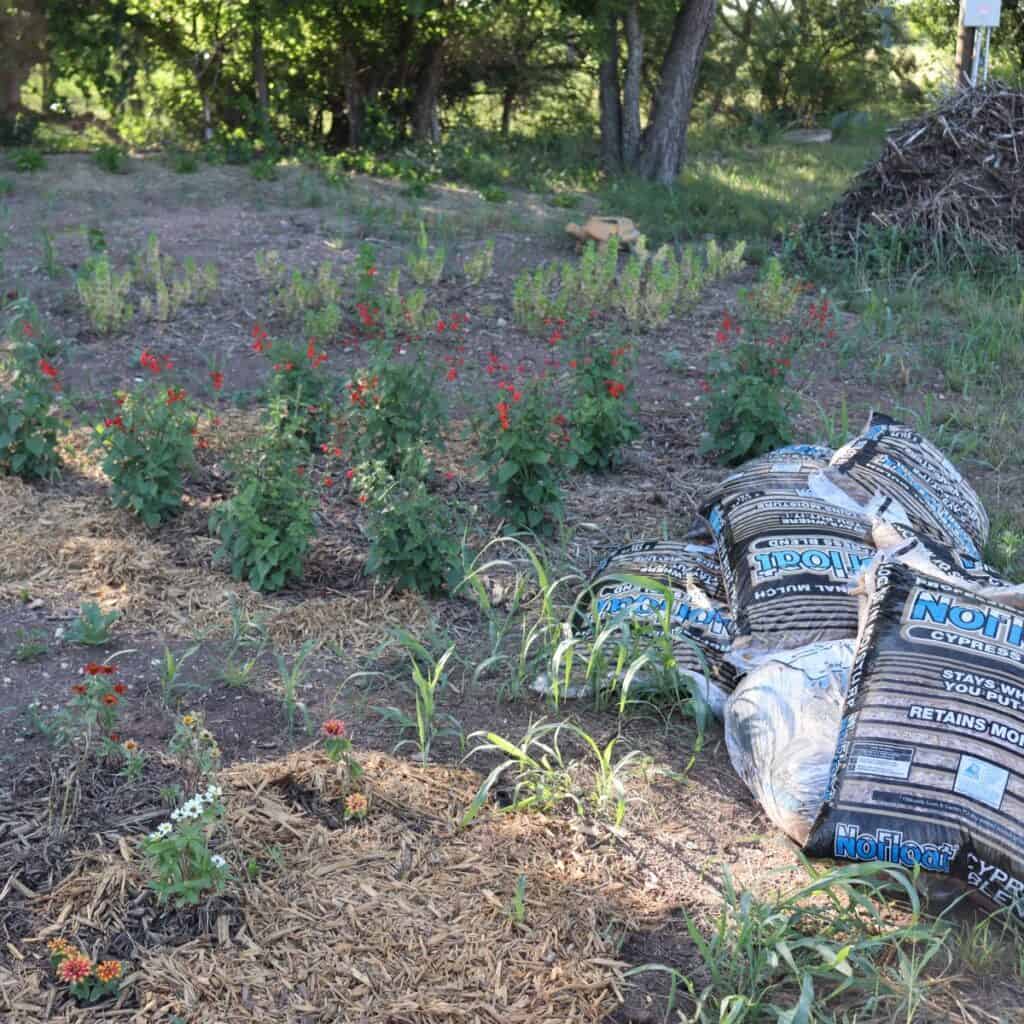
If you haven’t mulched yet, now is the time. We use different types of mulch depending on the crop, but everything we grow does get mulched. Hay is used in the vegetable garden, and shredded mulch or bark chips are used in the raised beds and cut-flower garden.
Mulch helps:
- Retain soil moisture
- Suppress weeds
- Regulate soil temperatures
- Reduce watering needs
Apply two to four inches around vegetables, flowers, and shrubs.
Popular mulch options include:
- Straw
- Shredded leaves
- Grass clippings
- Pine needles
- Wood chips
Avoid piling mulch directly against plant stems.
Stay Ahead of Weeds
Small weeds are easy to remove.
Large weeds become a weekend project.
Spend a few minutes each day pulling weeds before they set seed. This simple habit can save hours of work later in the summer when it is even hotter. We try to make it a habit to pull a few weeds every time we go out to the garden.
Pay special attention to:
- Fence lines
- Garden paths
- Raised bed edges
- Flower borders
Support Growing Plants
By June, many plants begin to grow rapidly and need extra support. We make tomato cages from cattle panels. We’ve been using the same ones for over eight years.
Check and secure:
- Tomatoes
- Peppers
- Cucumbers
- Pole beans
- Cut flowers
Adding support now prevents broken stems and keeps plants healthier throughout the season.
Divide and Tidy Spring Bulbs
Once spring-flowering bulbs finish blooming and foliage begins to yellow, you can start cleaning up garden beds.
Remove:
- Spent flower stalks
- Dead foliage
- Diseased plant material
This is also a good time to note areas that may need additional flowers, shrubs, or landscaping improvements next season.
Prepare for Summer Heat
- Checking drip irrigation systems
- Adding extra mulch around tomatoes and peppers
- Providing afternoon shade for lettuce and other cool-season crops
- Harvesting herbs before temperatures spike
Keep an Eye on Watering
June temperatures can rise quickly, especially in Texas.
Instead of watering lightly every day, aim for deep watering a few times per week.
Deep watering encourages roots to grow downward, where soil stays cooler and retains moisture longer.
Early morning remains the best time to water.
Take Notes for Next Year
One of the most valuable garden tasks requires no digging.
Keep a simple notebook and record what is happening in and around the garden. A spiral notebook is fine, or you can buy an actual garden journal. I like graden journals because they prompt you to think about things that you may not naturally notice or realize are important. The things I like to record are
- Best-performing varieties
- Pest problems
- Harvest dates
- Flower combinations you love
- Areas where you want to make improvements
Your notes become a personalized gardening guide that grows more valuable each year. Keep in mind that what works great one year may not work as well next year. It’s easy to think everything was great or a failure if you don’t have records to look back on.
Enjoy the Garden
June is one of the most rewarding months of the gardening season.
The seeds you planted in spring are becoming food, flowers, and memories. Take time to slow down, cut a bouquet, harvest fresh herbs, or enjoy a quiet evening walk through the garden.
A garden isn’t just about productivity—it’s about creating a simpler life and enjoying the beauty of the season.
June Garden Checklist
- Harvest vegetables regularly
- Plant beans, okra, cucumbers, squash, and flowers
- Deadhead flowers
- Collect and clean seeds.
- Mulch garden beds
- Pull weeds before they spread.
- Support growing plants
- Clean up spent spring growth.
- Water deeply
- Keep garden notes
June may be busy, but a little attention now will keep your garden thriving through the heat of summer.

