Watermelon Rind Pickles Have Been Around Longer Than You Think
Long before ‘zero waste’ became a popular phrase, people were already turning food scraps into something useful, and watermelon rind pickles are one of the best examples of that mindset, tied to the same spirit behind canning and fermenting at home today.
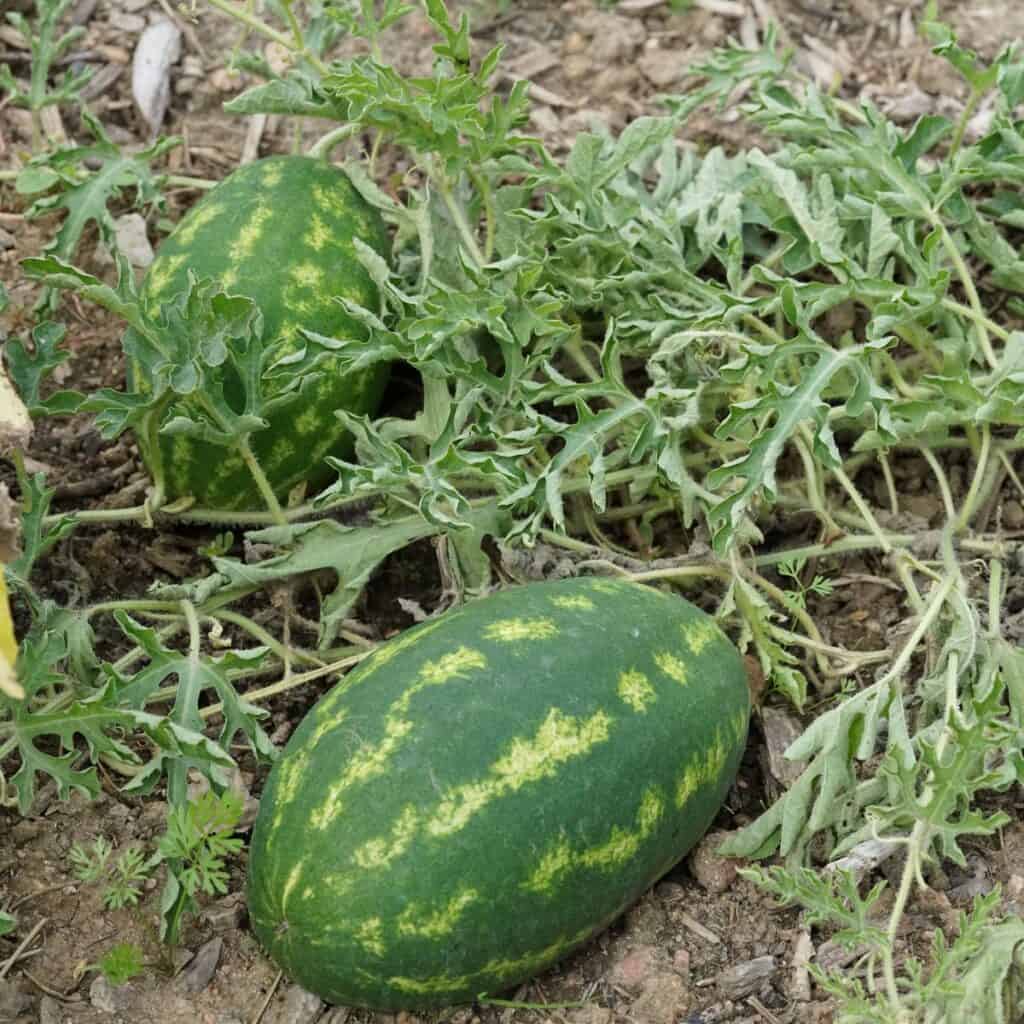
Watermelon itself has a long and fascinating history. The fruit originated in Africa and became part of early American foodways centuries ago. The National Park Service documents watermelon in colonial Virginia as early as 1705, when plantation owner Robert Beverley described the African fruit and its colorful rind and flesh.
Turning the rind into pickles also has deep roots in American food preservation.
The State Archives of North Carolina holds a handwritten recipe for Pickled Watermelon Rinds dating to 1859. The archive points to recipes such as this as examples of the creative ways people stretched their food supplies and preserved fresh crops before reliable refrigeration.
By the twentieth century, watermelon-rind pickles were still very much part of regional American food traditions. Arkansas, in particular, has long been known for its watermelon crop, and the state’s growing and preserving traditions were even highlighted at the Smithsonian’s Festival of American Folklife in 1970, a reminder that this kind of home preservation was still very much alive well into the last century.
The basic recipe itself is wonderfully familiar to anyone who preserves food today: watermelon rind, vinegar, sugar, cinnamon, and cloves.
Recipes have certainly changed from one family and region to another, but the basic idea has endured for generations:
Don’t throw away something that can still become good food.
That’s one reason this old preservation method feels so at home in our kitchen today.
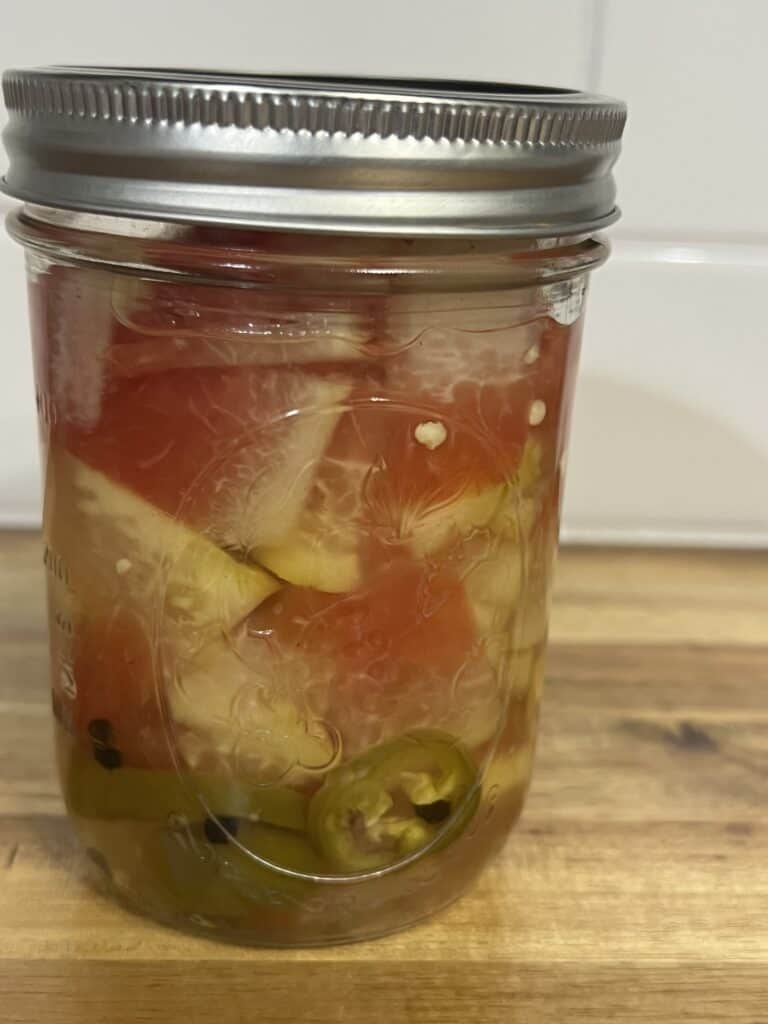
The History Behind Watermelon Rind Pickles
Today we call it reducing food waste or practicing a zero-waste lifestyle.
Our grandparents and great-grandparents might simply have called it being resourceful.
They preserved what was abundant while it was available and found ways to use parts of the harvest that might otherwise be discarded. Watermelon-rind pickles are a wonderful example of that tradition.
That’s also exactly why we make them at Days Well Spent.
Funny enough, we didn’t always. For years, when we cut into a watermelon, the rind went straight to the compost; then, once we got chickens, it went to the chickens. It wasn’t until early June of this year that a customer at the market challenged us to find a better use for it than chicken feed, so we dug into old preservation methods, tried a batch, and the rinds haven’t gone back to the compost pile since.
We grow our own watermelons. We use the sweet flesh fresh and to make our watermelon jam, but once the flesh is removed, we’re left with all that beautiful rind.
Instead of throwing it away, we turn it into another food.
If you’re new to canning and want to try it yourself, start with our guide to the must-have supplies for home canning. It covers everything you need, from jars to a water bath canner, before you get started.
One watermelon. More than one product. Less waste.
It’s not a new idea. It’s actually a very old one, and one worth continuing.
If you’re in the area, you can find a jar of our pickled watermelon rind at the Buffalo Gap Farmers Market, made from watermelons we grow ourselves using organic practices, the same way families have been doing it for generations. Come say hello, and take a little piece of that history home with you.
Sources & Further Reading
- National Park Service — Historic Jamestowne, “Watermelon.” Documents watermelon as an African fruit and includes Robert Beverley’s 1705 description of watermelon in colonial Virginia.
- State Archives of North Carolina — “A Taste of NC History: Pickled Watermelon Rinds.” Features an original handwritten watermelon-rind pickle recipe from the Lillian Dodd Collection dated 1859.
- Smithsonian Institution — 1970 Festival of American Folklife, Arkansas Program. Documents Arkansas’s folklife traditions, including its watermelon-growing heritage, at the 1970 Festival.
- USDA Agricultural Research Service — “Watermelon Rind and Citrulline.” Notes watermelon rind as a traditional pickling favorite and a good source of citrulline.