Okra, Explained: A Grower’s Guide to Our Favorite Summer Pod
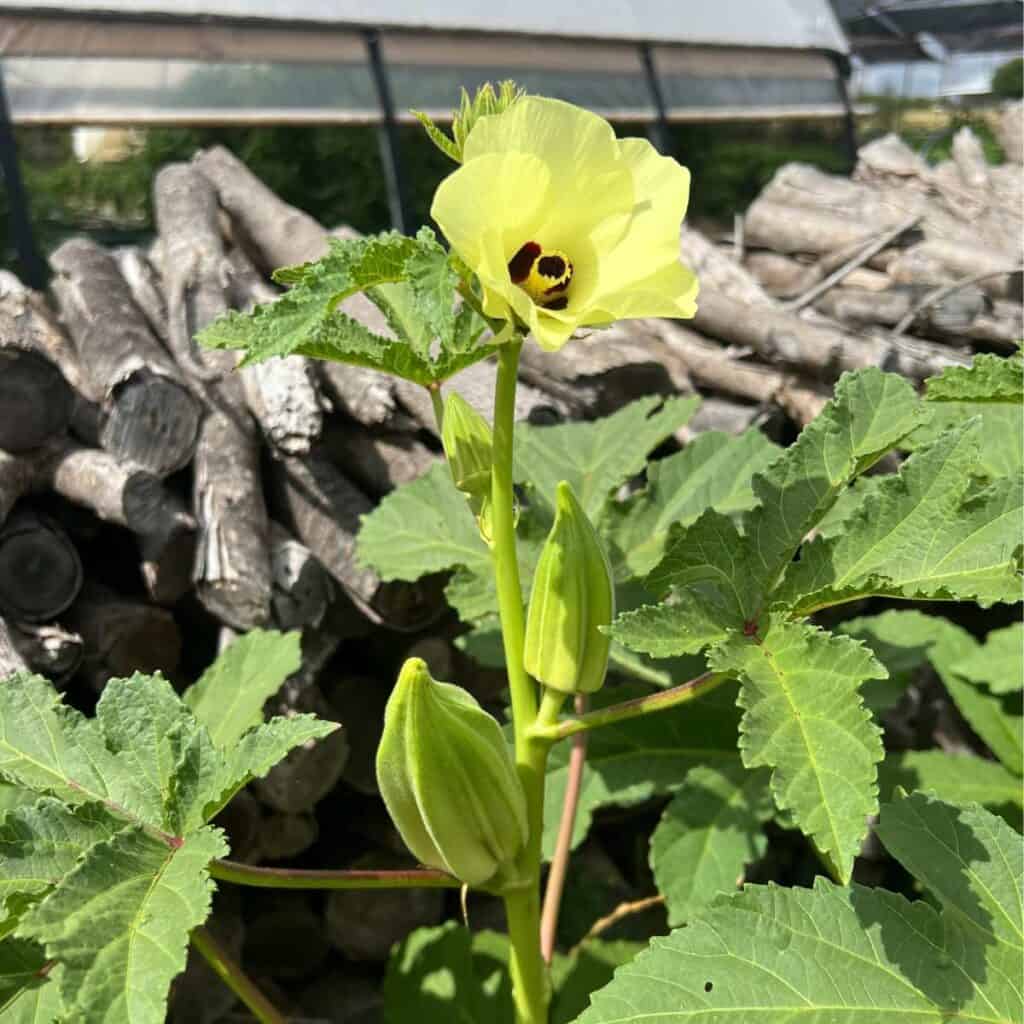
Growing okra is one of the most satisfying things you can do in a summer garden. It loves the heat that makes other plants struggle, keeps producing until the first frost, and gives you pods that taste great whether you pickle, fry, roast, or add them to gumbo. At Days Well Spent, okra is one of our most dependable warm-weather crops. We plant several varieties each year for different reasons, sometimes for flavor, sometimes for color or tenderness, and sometimes just because they look beautiful in a jar.
If you’re curious about why we grow more than one type of okra or want to know which variety might work best in your garden, here’s our guide.
Why Okra Loves a Hot Summer
Okra belongs to the mallow family, just like hibiscus and cotton, which is why it has those bright yellow flowers. It needs full sun, warm soil, so don’t plant the seeds too early, since okra doesn’t like cold ground and steady moisture while it’s making pods. Some varieties can grow over six feet tall by the end of the season, so we make sure to give them enough space and some wind protection.
The key to growing okra is knowing when to pick it. Pods can turn from tender to tough in just a few days, so during the busiest part of the season, we check our plants every other day. It’s best to harvest pods when they’re 2 to 4 inches long. Don’t let any get too big, because even one overripe pod can tell the plant to slow down on making new ones.
Okra Varieties
Clemson Spineless
This is the variety most people imagine when they think of okra: straight, ridged, dark green pods on a plant that really is spineless, so you won’t scratch your arms while picking. It’s productive, disease-resistant, and a great choice for first-time growers. We count on it for a big harvest.
Jing Orange
This eye-catching Asian variety has pods that turn a warm reddish-orange as they mature. When cooked, the color fades to green, but eating them raw or adding them to salads brings a burst of color that Clemson Spineless doesn’t offer. The pods also stay tender a bit longer than other types, so you have more time to pick them.
Burgundy
Just like the name says, this variety has deep red-purple pods and red stems, making it one of the most attractive vegetables you can grow. Burgundy plants are a little smaller, so they fit well in small garden beds. The flavor is classic okra, but the color is perfect for anyone who loves beautiful food.
Star of David Okra
This heritage variety comes from Middle Eastern seed-saving traditions, and we love it for one main reason: it’s fantastic for canning and pickling. Star of David grows short, plump, ribbed pods that stay firm and crunchy in brine, without getting mushy or stringy, even after weeks in the jar. The plants are strong and branch out more than Clemson Spineless, so you get more pods from each plant during the season.
When we make pickled okra, Star of David is usually our top pick. We pick the pods while they’re still small and firm, pack them tightly in jars with garlic, dill, and hot vinegar brine, and let them sit for at least a week. The result is a tangy, crisp pickle with real bite and none of the sliminess that sometimes puts people off okra. If you don’t like okra because of its texture, trying a Star of David pickle might just change your mind.
Tips for Canning and Pickling Okra
If you want to save your own okra harvest, here are a few tips to remember:
- Pick pods while they’re small. Okra under 3 inches long pickles much better than larger pods; it stays crisp and doesn’t get stringy.
- Use fresh okra. It loses its crunch quickly after picking, so we try to pickle it the same day we harvest.
- Don’t forget the acid. A vinegar brine with at least 5% acidity is what keeps pickled okra safe to store on the shelf, not just tasty.
- Keep most of the caps on. If you trim the stem too close, the okra’s juices can leak into the brine and make it cloudy. Just trim the very tip of the cap to keep everything clear.
Getting Started with Growing Okra Varieties in Your Own Garden
Clemson Spineless is the easiest variety for beginners. If you want to pickle or can your okra, we recommend growing Star of David, too; the texture in the jar is worth the extra space. And if you want your garden to stand out, plant Burgundy or Jing Orange next to your tomatoes for a splash of color.
No matter how you grow it, okra is a crop that gives back with just a bit of care. Give it some heat, some water, and keep an eye out for pods that are just the right size.
More Gardening Help
If you want more details, check out our gardening section on the website. If you have any questions, leave a comment below or reach out to me in our private Facebook group.