Soil Testing for Home Gardeners: What You Need to Know
Quick Look at Soil Testing: Short on time? Here’s the quick version:
- Test your garden soil every 2–3 years.
- Most vegetables grow best when the soil pH is between 6.0 and 7.0.
- Healthy soil contains minerals, organic matter, living organisms, water, and air.
- Yellow leaves, weak growth, and poor harvests may indicate soil problems.
- Testing before adding fertilizer can save money and prevent nutrient imbalances.
If you are unsure which fertilizer to choose, it is best to test your soil first.
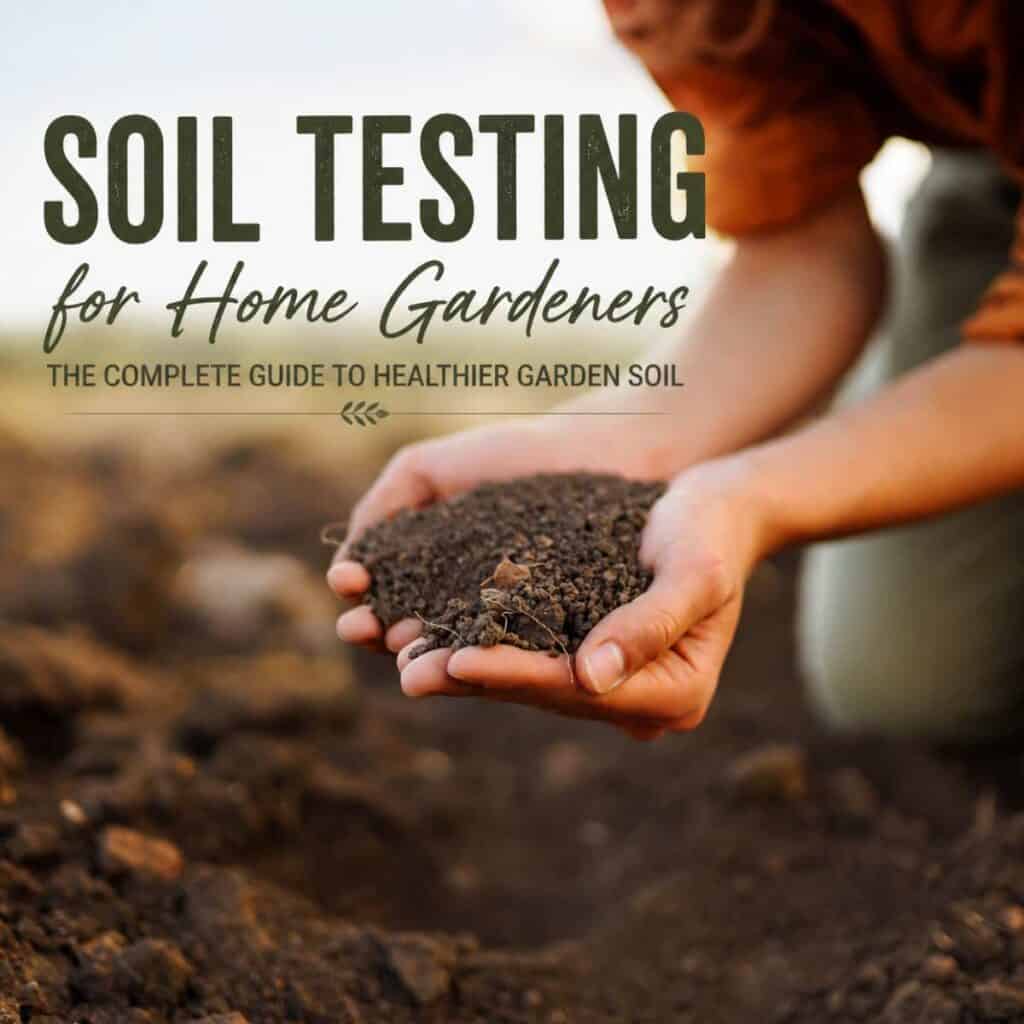
Why Healthy Soil Matters
Almost every gardener eventually experiences a season that feels frustrating. You water regularly and plant at the right time. You might even invest in quality seedlings or organic fertilizer. Still, the tomatoes stay small, the peppers struggle, or the lettuce just will not grow. The first instinct is usually to blame the plants. In reality, the problem often begins underground. That’s why I created this complete guide to soil testing for home gardeners.
Healthy soil is more than just dirt holding roots. It is a living ecosystem beneath your garden, active all the time. Billions of tiny organisms interact with roots, break down organic matter, move nutrients, and help plants grow.
When the soil system is healthy, plants can get water and nutrients more easily. They grow better, produce more, and are more resistant to pests, disease, and weather.
This is one reason experienced gardeners often say: “Feed the soil, not the plant.”
What Soil Actually Is
Most people think of soil as dirt. Healthy garden soil is much more complex than just dirt. Beneath your feet is a mixture of minerals, organic material, water, air, and living organisms, all interacting with one another.
Minerals form the physical structure of your soil. Tiny particles of sand, silt, and clay determine how water moves, how easily roots spread, and how nutrients are stored.
Organic matter includes decomposing leaves, grass clippings, compost, mulch, roots, and plant material. Organic matter improves moisture retention, increases microbial activity, and returns nutrients to the system. Living organisms are among the most interesting components of soil.
Healthy soil can contain:
- Bacteria
- Fungi
- Protozoa
- Nematodes
- Earthworms
- Beneficial insects
A single teaspoon of rich soil can hold billions of microorganisms.
Water and air are also important parts of healthy soil. Plant roots need oxygen almost as much as they need moisture. Compacted soil can reduce airflow and create problems even if nutrients are there.
Understanding What Plants Need to Grow
Plants require many nutrients to grow, but three receive the most attention because they are needed in larger quantities.
These three are often called NPK:
N = Nitrogen
P = Phosphorus
K = Potassium
If you’ve looked at fertilizer bags before, you’ve probably seen numbers like:
10-10-10
4-6-3
12-0-0
These numbers represent the percentage of NPK within the fertilizer.
Nitrogen supports leafy growth and a rich green color. Plants lacking nitrogen often appear pale, yellow, or slow-growing.
Phosphorus helps plants establish roots and supports the production of flowers and fruit. Deficiencies sometimes appear as weak roots or leaves developing purple tones.
Potassium helps with plant vigor and fruit quality.
Too much nitrogen can also cause problems. Plants might grow large and green but produce seeds or fruits.
But nutrients extend beyond NPK.
Plants also require secondary nutrients, including:
- Calcium
- Magnesium
- Sulfur
And smaller amounts of micronutrients such as:
- Iron
- Zinc
- Copper
- Boron
- Manganese
- Molybdenum
- Nickel
- Chlorine
Even though plants need only small amounts of these nutrients, not having enough can still affect how they grow and produce.
Signs Your Garden Soil May Need Testing
Plants often show signs when something is wrong, if you pay attention. A single rough season doesn’t necessarily indicate a soil problem. Weather, pests, and disease can all affect garden performance. However, if you have the same problems every year, your soil may need to be checked.
Common warning signs include:
- Yellowing leaves
- Slow growth
- Weak seedlings
- Small harvests
- Poor fruit quality
- Increased disease problems
- Plants that never reach the expected size
If these problems keep happening even with good watering and care, a soil test can help you find out why.
Home Soil Testing vs Professional Soil Testing
Many gardeners immediately assume they need a complicated lab test to learn more about their soil, but that isn’t always necessary. Over the years, we’ve used a simple at-home soil test kit in our own garden and have found it to be surprisingly effective for getting a general picture of what is happening beneath the surface.
For routine testing, checking pH, and getting a better understanding of nutrient levels, an at-home kit can provide enough information to help guide your next steps. We’ve used ours to troubleshoot yellowing plants, identify potential nutrient deficiencies, and make more informed decisions before adding fertilizers or amendments.
While a professional lab test gives a much deeper analysis and is worth considering if you’re dealing with major garden issues, we love having a home test kit on hand because it’s quick, convenient, and easy to use throughout the season.
The soil test kit we use and recommend is MySoil Test Kit. We’ve ben using soil test kit from this company for more than 10 years and have always felt like the kit was accurate and provided valuable inofmrtion.
Tip: We like testing before spring planting and again if plants begin showing signs of stress during the growing season.
Option A: Basic Home or Extension Testing
Many cooperative extension offices offer inexpensive soil tests.
These typically evaluate:
- pH
- Nitrogen
- Phosphorus
- Potassium
- Organic matter
For most home gardeners, this type of test gives enough information to make basic improvements.
Option B: Advanced Soil Testing
If you’ve been experiencing ongoing garden issues or recently filled raised beds with purchased soil, a more detailed test may be worthwhile.
Advanced soil tests often include:
- pH
- Organic matter
- Calcium
- Magnesium
- Sulfur
- Micronutrients
- Exchange capacity
- Mineral balance
These reports give you a fuller picture of your soil’s health.
How to Use a Home Soil Test Kit
When to Test Your Soil
Soil can usually be sampled any time the ground isn’t frozen.
Two periods tend to work especially well:
Late fall
Testing after cleanup provides time to make adjustments before spring.
Early spring
Testing before planting helps guide fertilizer and amendment decisions.
Make sure you have enough time to get your results and collect any materials you might need.
How to Collect a Soil Sample Correctly
To get accurate results, start by collecting a good soil sample.
- Begin by removing mulch, leaves, and debris from the surface.
2. Using a shovel, dig a V-shaped hole approximately six inches deep and collect a thin slice from one side.
3. Repeat this process throughout your garden.
3. Smaller gardens may require six samples, while larger spaces may need ten to fifteen.
4. Place all samples into a bucket and mix thoroughly.
If your garden has very different areas, such as raised beds in one spot and native soil in another, you may want to test them separately.
After you ensure the soil is well mixed, place approximately 2 cups of soil into a labeled bag, following your testing provider’s instructions.
Understanding Soil Test Results
Seeing a soil report for the first time can be overwhelming. Numbers appear everywhere. Charts, percentages, abbreviations, recommendations. The good news is you do not have to understand every detail right away.
Start with:
- pH
- Organic matter
- Nitrogen
- Phosphorus
- Potassium
Many testing services also include recommendations explaining exactly what to add.
What To Do Once You Get Your Results
Getting your test results is not the end of the process. It is actually the beginning. Try not to add fertilizers right away without a plan. Instead, create a plan.
Begin by fixing the main problems and adding more organic matter. Compost is one of the best long-term solutions because it improves soil structure and supports helpful microbes.
The goal is not just to add nutrients. The real goal is to build healthier soil over time.
If This Feels Too Complicated
If this seems like more information than you expected, do not worry.
You do not need to become a soil scientist to grow a successful garden. I suggest starting with the basics:
- Add compost regularly.
- Keep soil covered with mulch.
- Use a quality organic fertilizer.
- Rotate crops when possible.
- Plant cover crops.
These steps help almost every garden, no matter the soil type. We use several cover crops on our property, including cereal rye and sunflowers.
Testing just helps take away some of the guesswork.
Frequently Asked Questions
How often should garden soil be tested?
Most home gardens benefit from testing every two to three years.
Can I test the soil myself?
Yes. Home kits provide basic information, although laboratory testing usually offers more detail.
What pH do vegetables prefer?
Most vegetables grow best at pH 6.0-7.0.
Can too much fertilizer damage plants?
Yes. Excess nutrients can create imbalances and may even harm roots.
Is compost enough?
In many gardens, compost significantly improves soil, but severe deficiencies sometimes require additional amendments.
Healthy Soil Matters
A healthy garden starts with healthy soil. Learning about your soil might not be the most exciting part of gardening, but it can lead to some of the biggest improvements you will see.
The more you know about what happens in your soil, the easier it is to grow healthier, stronger, and more productive plants every season. If you have any questions or canthink of ways I can make this guide for testing soil better please leave a comment and let me know.
MORE GARDENING HELP
If you’re looking for more detailed information, visit our gardening section on the website. If you still have questions, let me know in the comments section below or contact me in our private Facebook group.

